
Angel Rose Denman – Interview for Staging Decadence
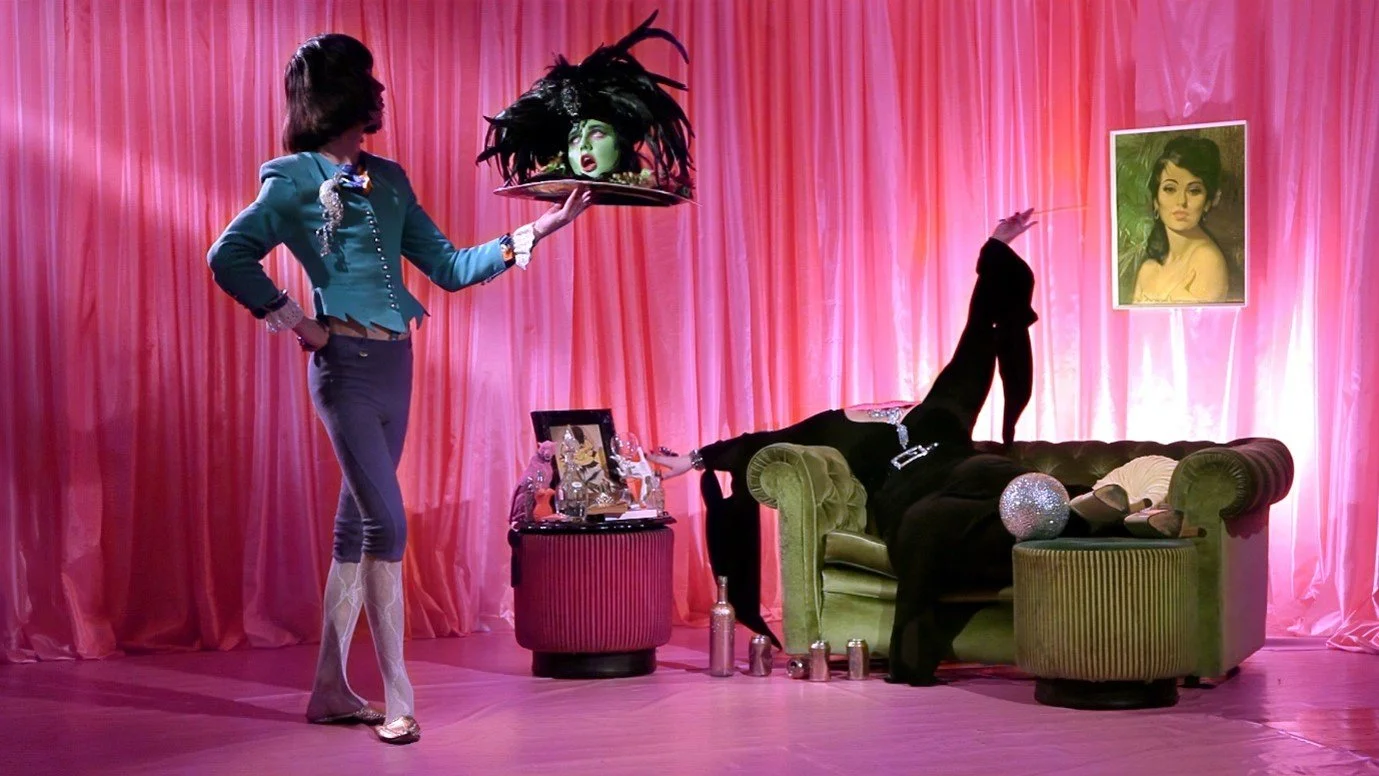
Fig. 1: Still from The Green Carnation (2012) by Angel Rose. Courtesy of Angel Rose.
Angel Rose is an artist with a penchant for morbidity, filigree, and disco. Her interdisciplinary practice since 2010 spans performance, painting, filmmaking, and zines. She has been exhibited internationally and shown in spaces such as Centre Pompidou, Somerset House, The ICA, and The British Film Institute. The Green Carnation (2012) is a particularly notable work inspired by Oscar Wilde and Diana Ross, not least because it emblematises her ongoing fascination with glamour and the diva. Ross and the disco scene she helped to propel became frequent points of reference for Denman as she developed her practice throughout the 2010s, although it is really the decline of the diva that piques her interest most.
Angel Rose has developed her performance persona in multiple videos, including the music videos for her own pop-goth anthems on the Black Lacquer LP, which features backing vocals and performance by Genn Nomie (@delights_world). Among other things, the LP offers a playful takedown of capitalist excess by means of excess, populating dayglow landscapes with redundant commodities and goths who either seem plagued by a debilitating ennui, or enlivened by the erotic possibilities of a gothic femme fatale.
She is currently working on a new exhibition of paintings while researching the history of glamor.
Who is Angel Rose?
Well, Angel Rose is my real name, but in some ways it’s become like a persona. I have certainly used that persona as a place to play out some of my weirdest ideas and wildest fantasies. My image is an experimental zone – I see myself as someone who embodies the principles of my own art while I am creating it.
One of the tropes you come back to a lot is the figure of the diva. Could you tell us about your interest in the diva? What’s inspiring about this figure?
On the one hand I see Divadom in a feminist context – as a form of contemporary goddess worship – and in many ways this was part of my upbringing. My mother was a fashion designer who opened her own boutique called Goddess, which was basically a temple of high femme rock ‘n roll. As I’ve grown older I have come to see that so much of the art, music, and fashion I was exposed to as a child – particularly glam rock – was a veneration of the feminine, and that has totally informed my art and my way of life.
Yet at the same time I also see the darker side of glamour as ‘Hollywood Babylon’. There is something about being the diva, or more perhaps celebrity in general, that destroys you. You become an object of worship: not quite holy, but not quite human. In The Green Carnation, specifically, I’m playing with the trope of the fallen star. The character is sort of like Norma Desmond to me: a has-been diva locked away in her pink mansion.
Our most famous divas are ultimately operating inside a patriarchal system and the culture of LA does not hide that. Sometimes I think that the voice of the diva could save the whole world if it could find a way to be heard outside of this system. I’m very obsessed with Beata Mona Lisa at the moment and the way she talks about her own voice and image as a singer. I think she is the archetype for what I’m suggesting.
Another thing that is interesting to me is that the term ‘diva’ is used colloquially as both insult and praise. It can be used to describe a confident, glamorous woman, or a difficult and demanding one. In my experience you usually get accused of being the latter if you are the former- being a diva is really a double-edged sword.
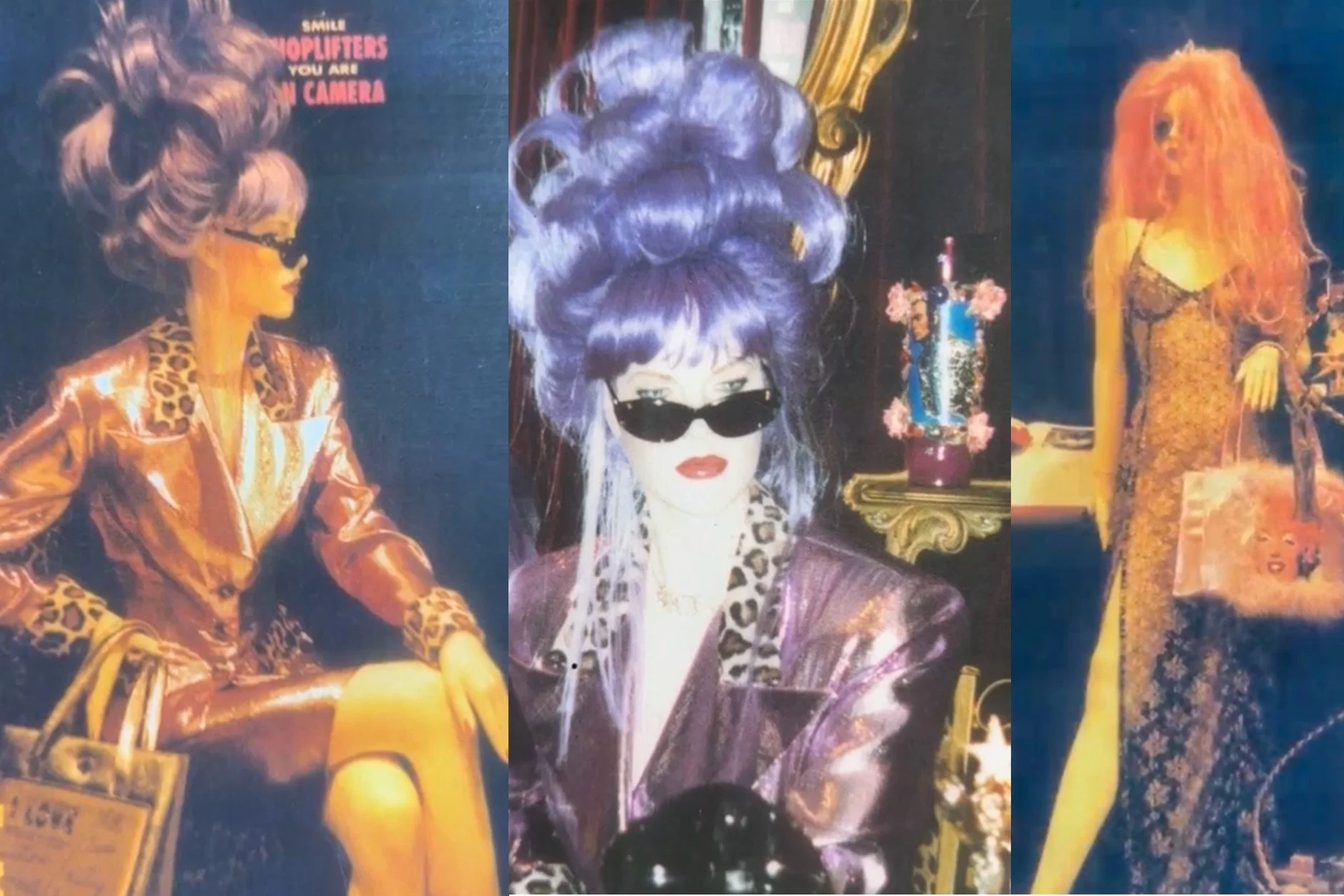
Fig. 2: Photos of Goddess boutique, Los Angeles, 1995. Photos by Kim Denman.
It’s a short step from the ‘double-edged’ sword of glamour to Oscar Wilde, who revelled in the cult of celebrity, but who was also persecuted and abandoned by forces that enabled it – not least the press.
Yes, I think that’s also very contemporary: the inevitable cycle of celebrity – glorification followed by dehumanization.
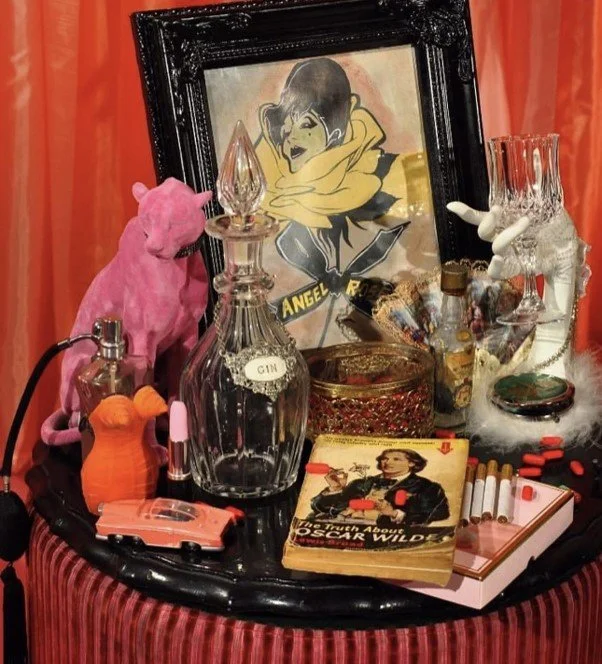
Fig. 3: Still from The Green Carnation (2012) by Angel Rose. Courtesy of Angel Rose.
Wilde pops up in The Green Carnation, of course. There’s a biography about Wilde resting prominently on the table, and he is also there in some of your other work too. What makes Wilde a significant figure for you?
Wilde is important to me because he confirmed everything I had suspected. I read The Picture of Dorian Gray (1890/1891) as a teenager in Los Angeles and I thought, oh, yea, it’s all quite true: that it all comes at a price. I saw a strange parallel between what Wilde was saying about Victorian England, and the consuming vanity of Hollywood. The name of the film The Green Carnation is an homage to him.
What does the word ‘decadence’ mean to you?
To me, decadence is the hysteria of our modern excess. It’s not gothic because the gothic is dead, or even undead, but decadence is perhaps a precursor to death: an awareness of one’s own rotting. I think that’s where we’re at as a society right now.
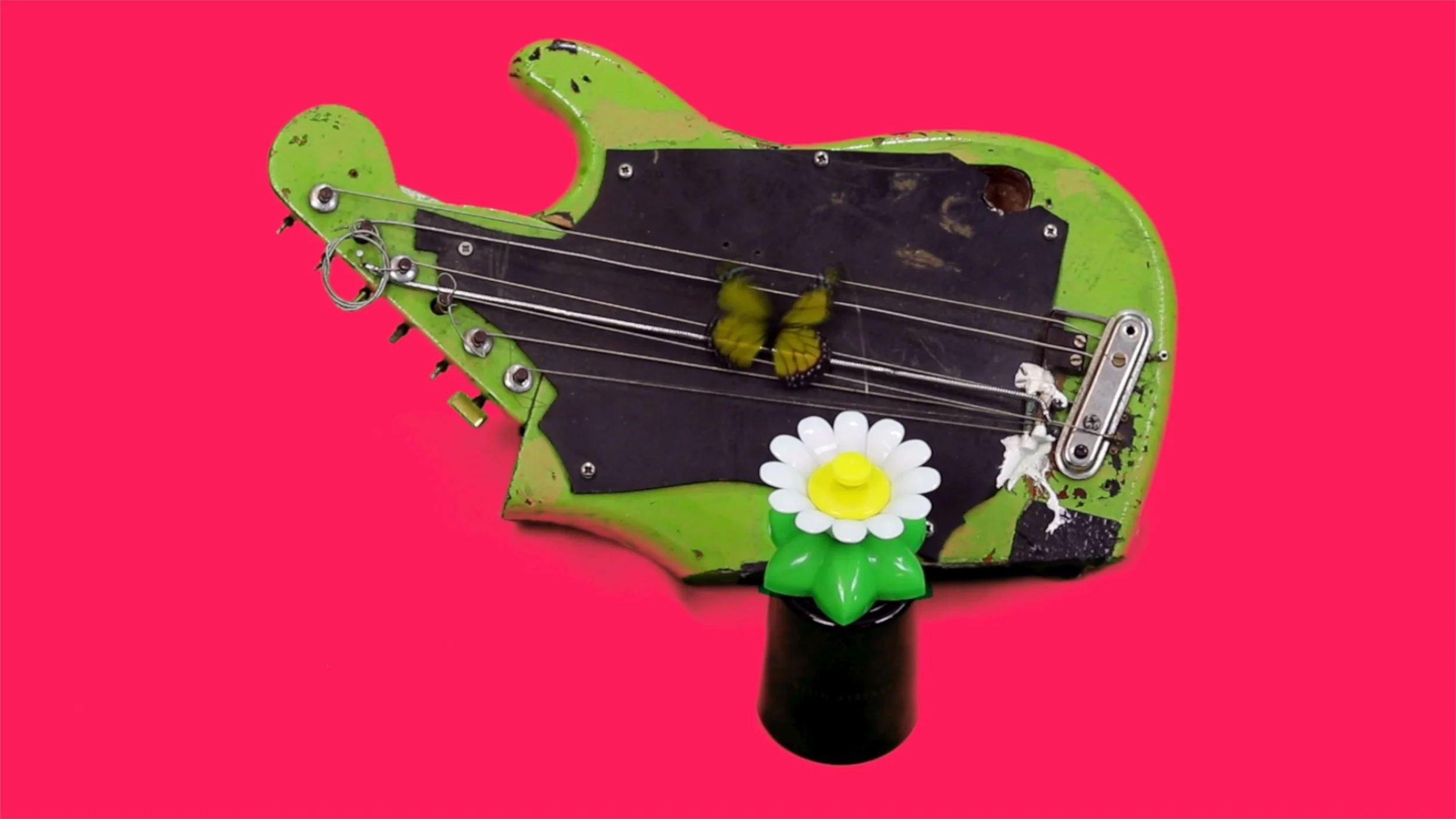
Fig. 4: Still from Let’s Fuck Tonight (2022) by Angel Rose, featuring sculpture by Jason Williamson. Courtesy of Angel Rose
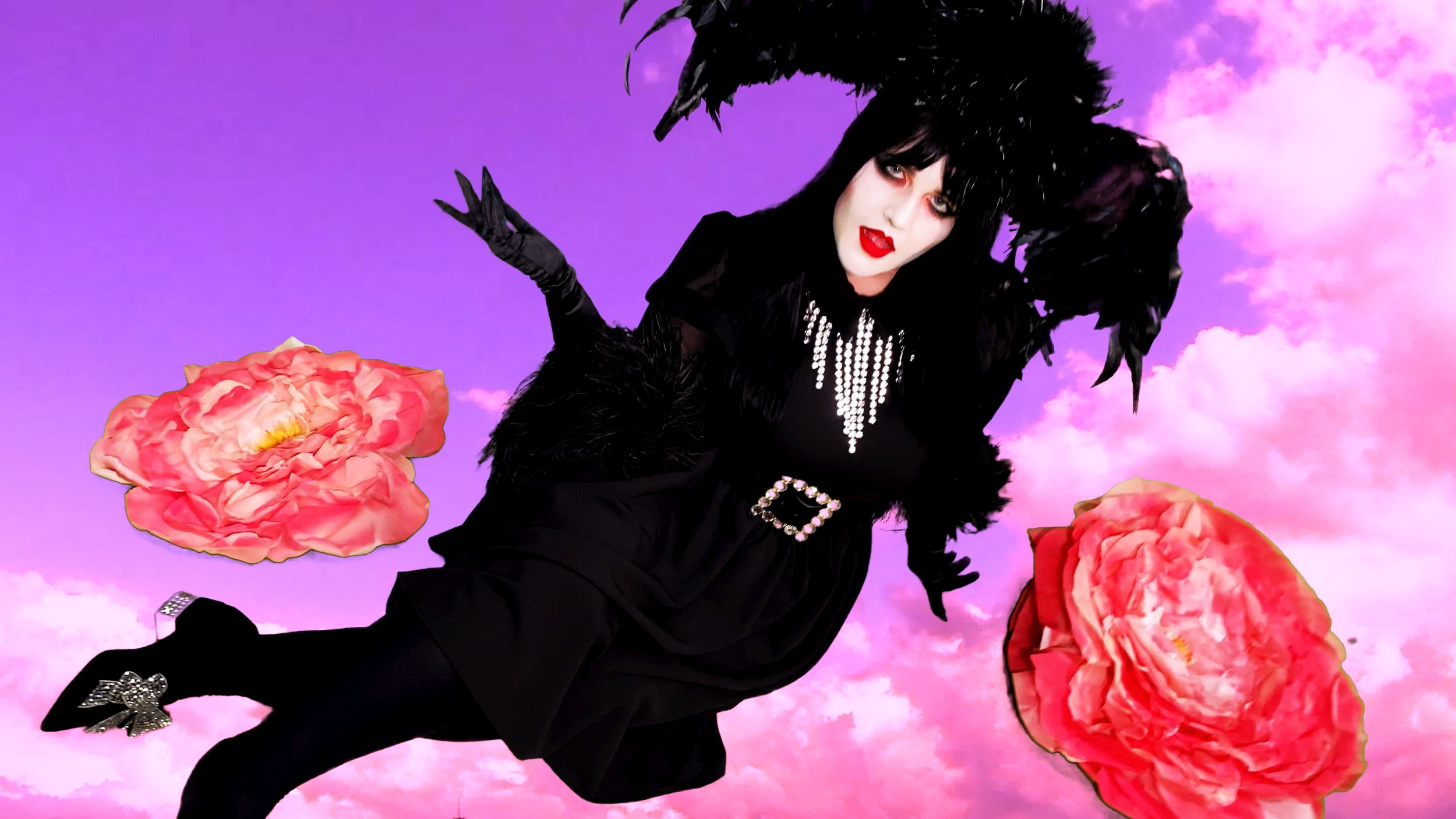
Fig. 5: Still from Perfect Angel (2022) by Angel Rose. Courtesy of Angel Rose
I’m not surprised to hear your take on it, given your interest in Gothicism. Like Wilde, Edgar Allan Poe crops up quite a bit in your work. It brings them together. So what significance do you give to the Gothic in your practice?
In The Green Carnation I do make some references to gothic literature, but recently I’ve become more interested in goth girls as a cultural phenomenon and symbol. As a millennial who’s been part of a goth revival scene since I was a teenager, it’s been fascinating and exciting to see the goth girl re-emerge as an archetypal force over the past 5 years or so. I follow them all on TikTok, and they are now my biggest muses. I think this re-emergence of the goth is very telling of the moment. If goth is the romanticisation of death, then teenage goth girls are the death goddesses of our era. I see their stylizations as an embrace of death and to that extent as a symbolic rejection of fertility, too. Their fetishization feels pertinent when we are supposedly at ‘the end of the world’, but their presence also feels like a potent energy for me to draw on as an artist.
Could you also tell us more about your approach to adornment, ornamentation, and filigree, which are all prominent in your films and images?
In my zines and essays, I often describe myself as an ‘excesstentialist’: a playful paradox that I use to suggest ‘the essential nature of excess’. In other words, excess is essential because there is no ‘essential’ human being: biologically, aesthetically, politically, or spiritually.
A lot of this thinking leans into queer theory, but I remember after reading David Batchelor’s writing on ‘Chromophobia’ (2000) that I started to contemplate the idea of a false neutrality. Neutrality is often coded as masculine, so decoration and adornment becomes the realm of the feminine, and is often relegated to the realms of the trashy, tacky, or unnecessary. I’m paraphrasing his writing, but the way I see it, to adorn yourself is to love yourself and your body. Painting your nails with red glitter is a way of worshipping the body by adorning it with beautiful colours, which is a very human, innate, and creative impulse: to decorate that which we love. I don’t see this as superficial or ‘additional’ in any way.
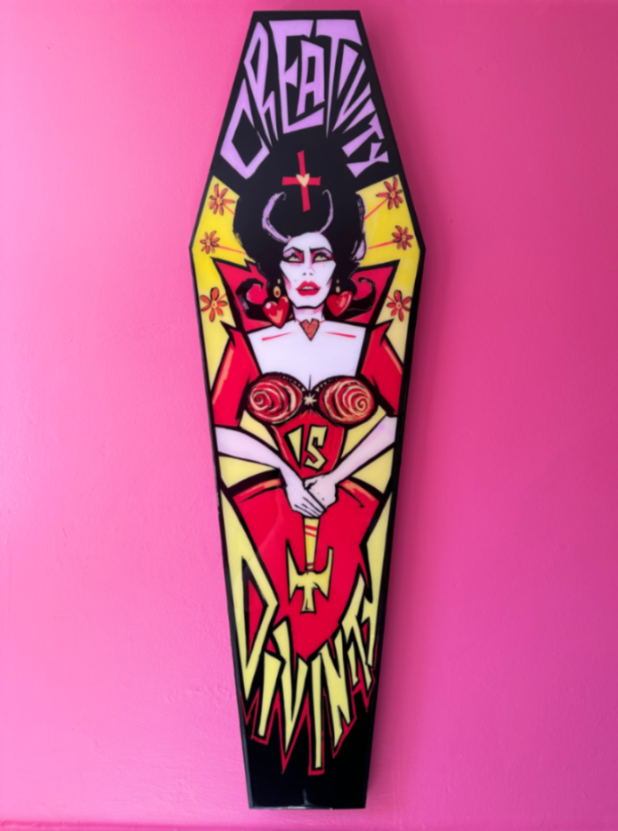
For the past few years I worked for a wonderful woman called Veronica Vera. She’s a sex journalist and artist who became well-known for starting the world’s first MTF cross-dressing school in New York in the 80s. She wrote three books about running this school, and created her own philosophy about feminization as a way of re-balancing the world. I’ve been thinking about that a lot lately too.
Fig. 6: Portrait of Veronica Vera by Angel Rose, 2026. Courtesy of Angel Rose.
When I think about adornment and filigree in your work, the first film that comes to mind is The Green Carnation. What inspired the look of the film, which is so wonderfully idiosyncratic?
Well, I’ve had a fantasy of myself with green skin since I was a child. My first crush was Jim Carey as the Mask! There was also Miss Argentina from Beetlejuice, Maleficent… all my favourite characters had strange blue or green skin and I actually started painting portraits of myself with green skin when I was about 14. So, when I had the chance to work with a very talented makeup artist called Mika Jack Daniel Johnson, I knew that’s how I wanted to represent myself in the film, because I knew he would be able to create this look in a beautiful and totally unique way. Working with him truly made me see that makeup is art.
As for the set design, that was very heavily inspired by a family holiday to the Madonna Inn in 2010. My friend Molly O’Shea took the most wonderful portraits of me completely gothed-out amongst the pink kitsch decor, and those photos laid the foundation for what became the visual design of the film.
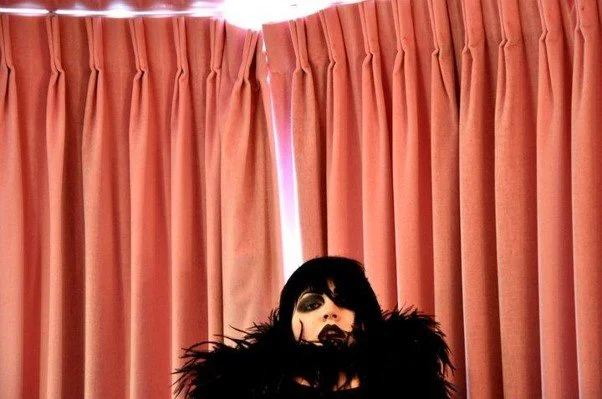
Fig. 7: Angel Rose at the Madonna Inn, California, 2011. Photos by Molly O’Shea. Courtesy of Angel Rose.
I knew I wanted to work with the idea of the female monster. At university I had read books like The Female Grotesque (1995) by Mary Russo who wrote about the idea of the excessive and transgressive female. I thought Germaine Greer’s performance as a terrorizing lover in the experimental film Darling Do you Love Me? (1968) was also a great example of this and the last scene in my film is an homage to it. It’s been a disappointing decline in her credibility and influence on me– I’m certainly not a fan of the transphobic views she’s espoused over the past ten years – but her performance in this video did inspire at the time I was making my own film as a depiction of excessive love. For all its theatricalism and surrealism I still think my performance in The Green Carnation is me at my most raw. To me it’s a comedy about about love, obsession, addiction and narcissism. The other performer, Josh Quinton, improvised most of their performance in the film, but it worked out great and also brought a lot of humor to the piece.
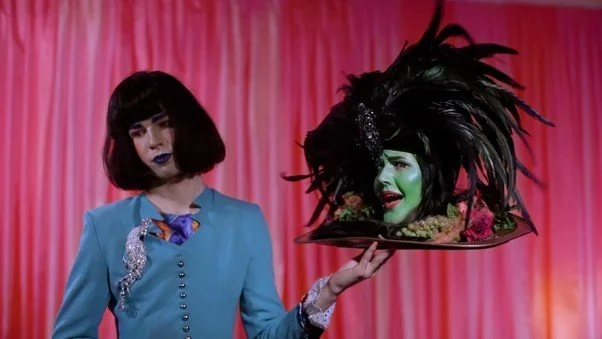
Fig. 8: Still from The Green Carnation (2012) by Angel Rose. Courtesy of Angel Rose.
I had also studied the work of Orlan, who had performed live as a disembodied head. I know that she worked with stage magicians to achieve this. When Nikolai Galitzine (producer, cinematographer, and SFX editor of The Green Carnation) asked me, ‘If you could do anything with filmmaking, what would it be?’, I immediately said, ‘Decapitate myself!’. Nikolia was an amazing mentor who showed me that you can do anything with film if you are inventive, resourceful, and insane enough to try. He helped let my imagination loose. It’s wonderful to work with someone who can do that.
That said, the lyrics preceded the visuality. The written word is the basis of nearly everything I do. The lyrics were probably conceived as some hungover, lovesick poem I scrawled on the back of a pizza box. Just kidding! But in all seriousness, creating the film was about creating a world for my words to live in.
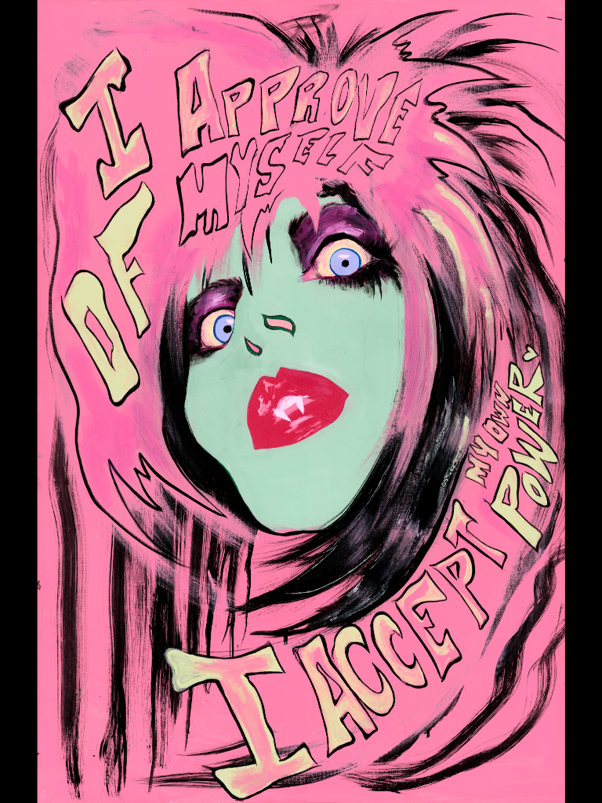
Fig. 8: ‘Affirmation Painting’ by Angel Rose, mixed media (2024).
And what’s next for you?
Nowadays I’m much more interested in painting and drawing in my studio than I am in film-making and performance collaborations. Too many egos! Currently I’m working on a new painting series and a PhD proposal on the concept of glamour. I have also started a creative women’s group as a way to support other artists. The work I make in the next ten years will be quite different. Art has an important role to play in the spiritual evolution of humanity as we fight for the return of the goddess. It’s time.